in practice · · 3 min
Tripling Content Output With a Four-Person Team
The Claude Code content pipeline behind Arloa. 4 to 12+ pieces a month without adding headcount, and without losing the brand.
originally published on skeltonmedia.com

When I joined Arloa in 2024, our content operation was one person: me, occasionally, between design sprints. Four pieces a month, each produced by hand. Twelve months later: 12+ pieces per month, running automatically, without anyone writing them.
The context
Arloa was a GenAI platform helping parents navigate special education. IEP meetings, school advocacy, a system that wasn't built to be understood. The audience was non-technical by definition: parents under real stress who needed answers fast, not a product to figure out. That context shaped everything I built. My primary job was UX and product design. But a four-person team can't run a content operation manually and build a product at the same time. So I built a system to handle it.
The content engine
It ran on Claude Code. The pipeline pulled from RSS feeds covering special education news, generated plain-language summaries written for parents, paired each piece with relevant imagery, and queued it for email distribution. No one touched it manually. I built it in VS Code, iterated through Claude Code, and connected it to our email stack. The whole thing ran on its own.
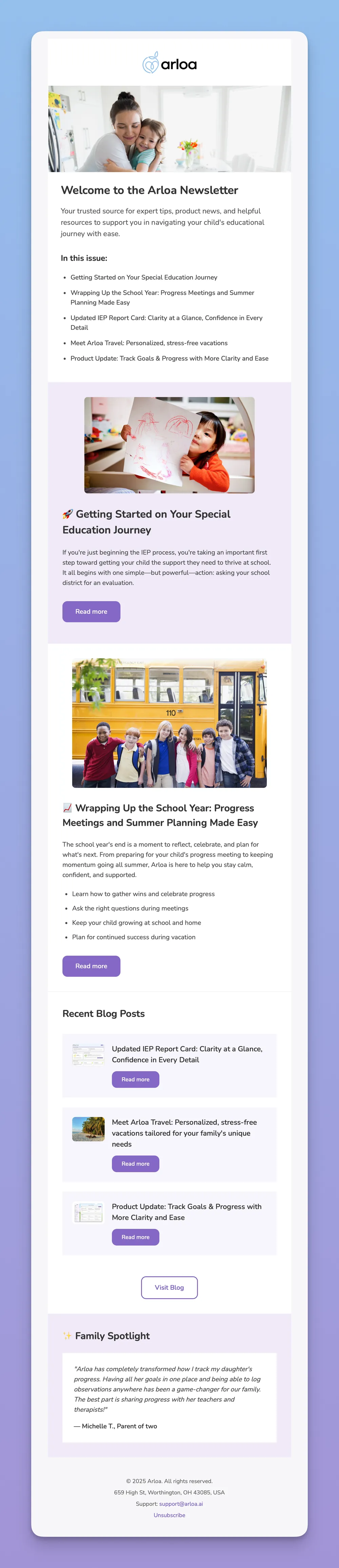
Before: four pieces a month, each written by hand. After: 12+ pieces a month, one person occasionally reviewing output instead of creating it. Three times the volume. Zero added headcount.
The growth side
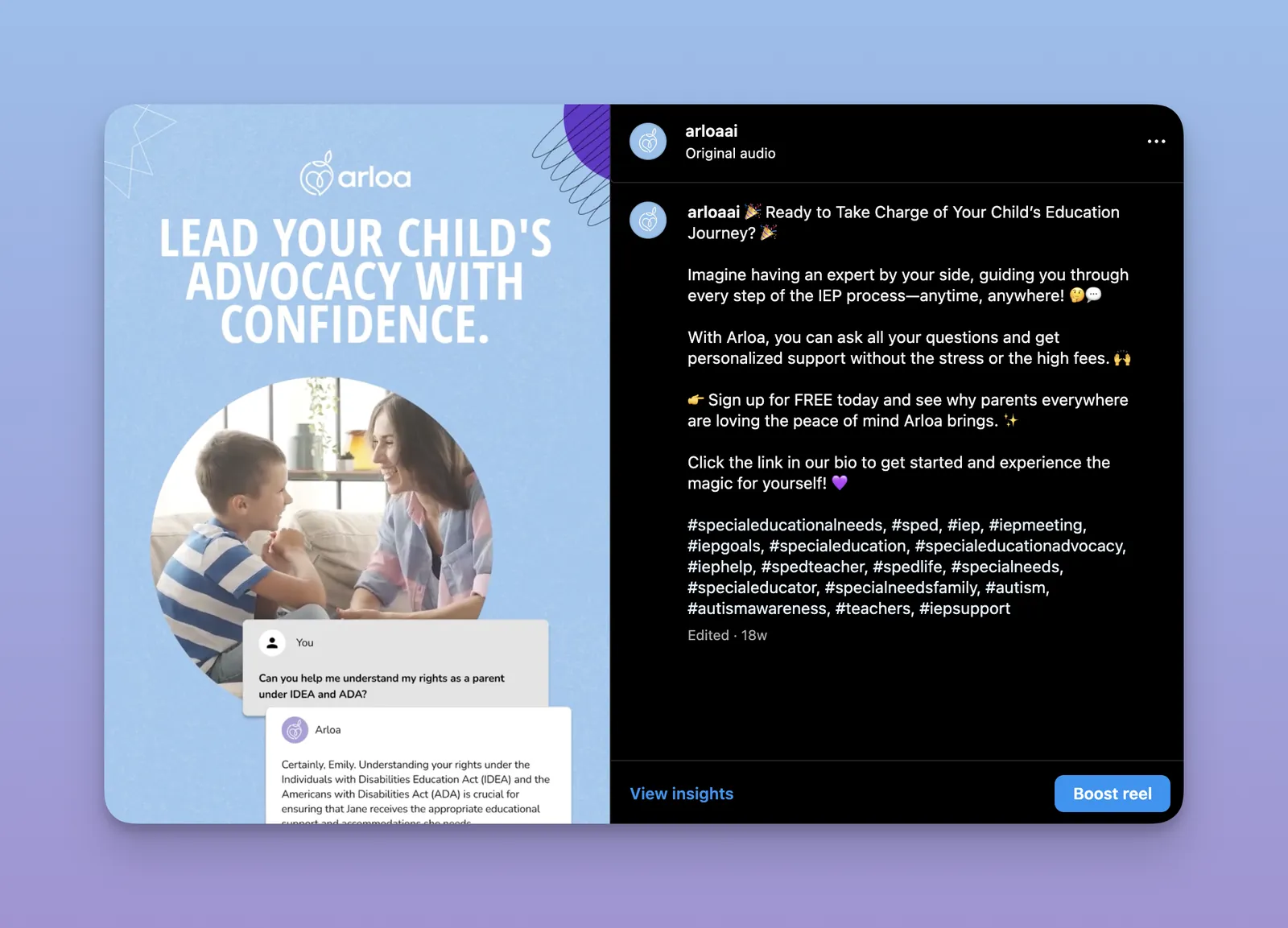
The same thinking drove acquisition. Landing pages, onboarding sequences, lifecycle automations, all designed around the full flow, not just the screen. Not from a bigger team. From a better system.
What made this possible
Claude Code was the specific tool that changed the pace. It let me contribute directly to the production codebase without being a full-stack engineer. Iteration cycles that used to take weeks compressed to days. Sometimes hours. That compression is what made everything else possible.
What I'd do differently
I'd have formalized the review cadence earlier. The human loop was always there, and I reviewed content before it went out, but it wasn't a scheduled pass, so drift got caught later than it should have. A weekly review baked into the workflow from the start would have tightened that.
The bigger shift
There's a meaningful difference between using AI to do tasks faster and using AI to build systems that run without you. The content engine didn't need me to wake up Monday and write three summaries. It ran. That's the shift: from AI as a productivity tool to AI as infrastructure. A four-person team with the right setup can match the output of an organization ten times its size. Not because AI is magic. Because most of what slows teams down is coordination overhead, manual repetition, and context switching. Design those away and what's left is the actual work.
Copyright © 2026 Skelton Media.