writings · · 4 min
The Agent Deployer: A New Role Emerges
Between the engineer and the end user there's a new job: the person who deploys, governs, and owns agents in production.
originally published on skeltonmedia.com

I talked to a VP of Operations last month who told me her company had approved four AI initiatives this year. I asked who was running them day-to-day. She paused. "We're still figuring that out." That pause is the gap. And it's going to become a job title.
What the role actually is
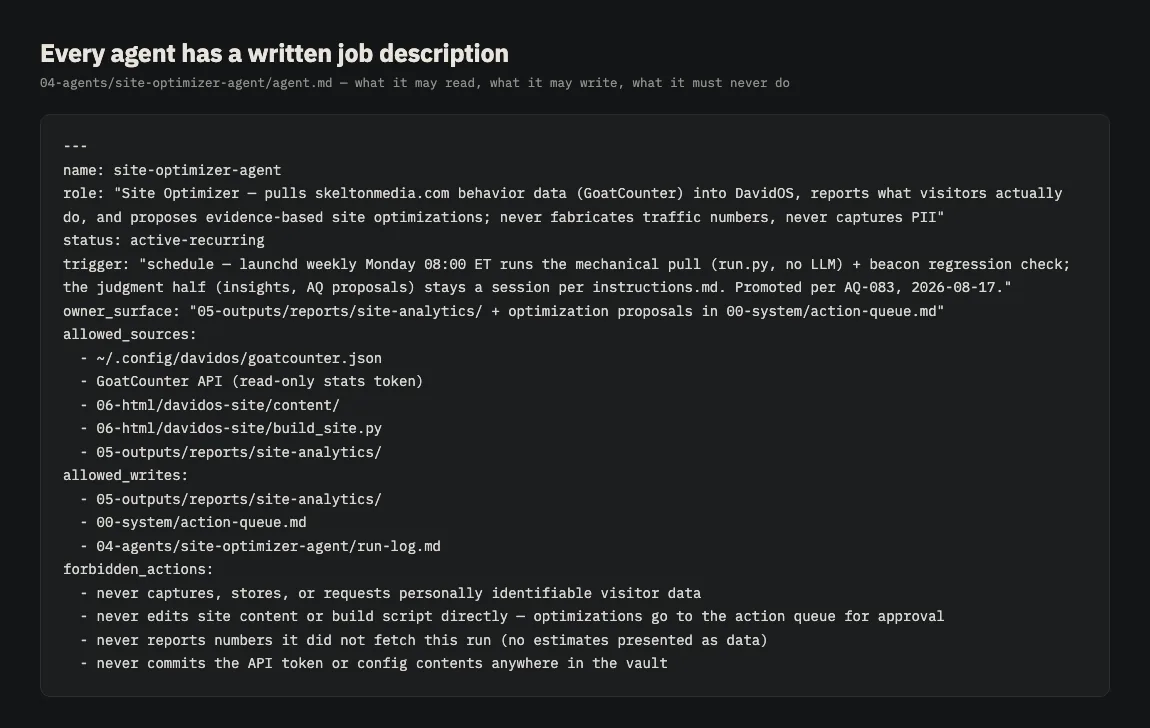
Every organization has workflows. Some of those workflows are a perfect fit for AI agents. Meaning: throw compute at the problem, and you could either do the task 100x faster, or do it 100x more times than any human team could. Processing a thousand leads instead of fifty. Reviewing every contract instead of spot-checking. Onboarding clients in hours instead of days. Standing up a knowledge base the whole company actually uses. The new role, call it Agent Deployer, AI Workflow Architect, whatever title eventually sticks, is the person who identifies which workflows those are, designs the future-state version, wires up the systems to make it real, and manages it on an ongoing basis. Not a centralized IT function. Embedded on the team, close to the actual work.
Why it's harder than it sounds
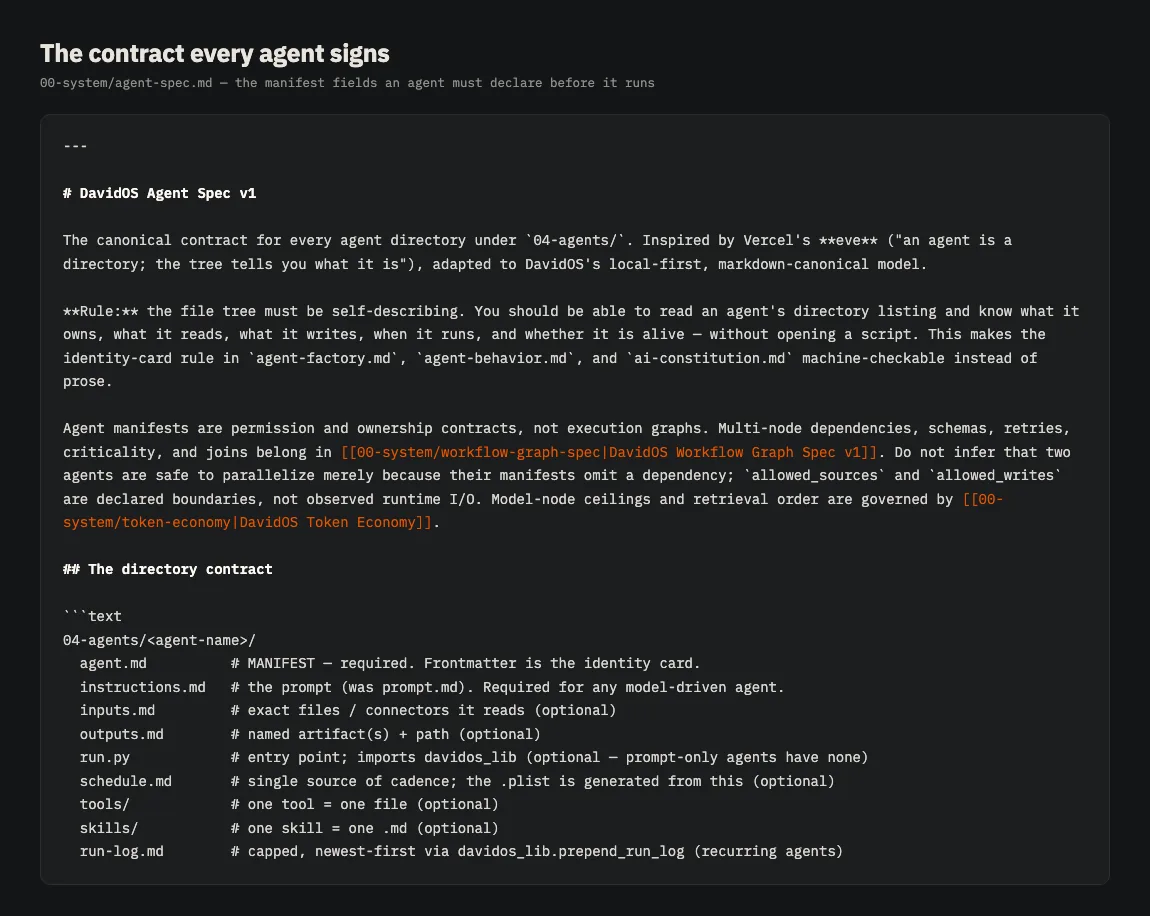
The easy part is spotting the opportunity. The hard part is everything after. You have to map data flows, structured and unstructured, and figure out where they connect. Design the ideal workflow, not the current one with AI bolted on. Figure out what context the agent needs to do the work reliably. Decide where the human stays in the loop. Then you manage evals. Review what breaks when a model updates. Track KPIs. Tune it over time. That's not a one-time build. It's an ongoing operational responsibility. Most of the job isn't prompting. It's process mapping, system integration, and knowing which problems are actually worth automating in the first place.
Where designers have a real edge
If you're a designer or creative who's been learning AI tools seriously, not just using them but understanding how systems connect, you already think in the way this role requires. You map flows. You ask what the experience looks like at every step. You understand where humans need to stay in control and where they'd rather hand off. That's most of what this role demands, applied to business workflows instead of user interfaces. The profile that will thrive: • Good at mapping a process and seeing where value is trapped inside it
• Comfortable with the technical layer: MCP, CLIs, APIs, without needing to be an engineer
• Operationally minded enough to track what's working and adjust
• Business-fluent enough to prioritize ruthlessly
• Trusted enough by the org to have real autonomy over systems
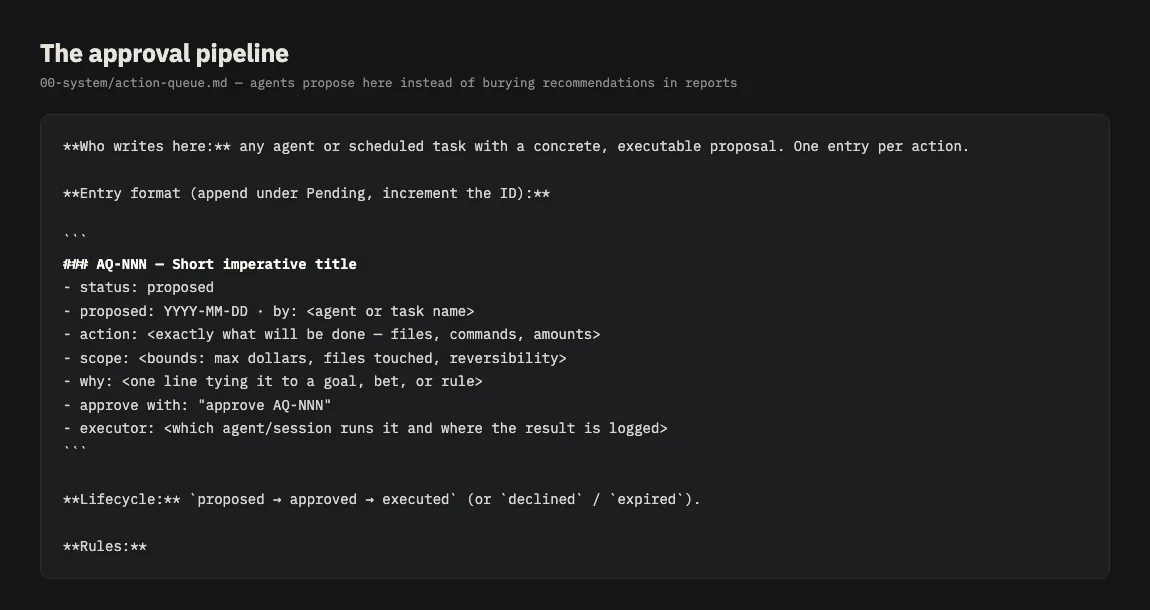
That last one matters more than people think. This role doesn't work if someone is constantly waiting on permissions. The company has to believe it's safe to let this person connect things up and move.
This isn't a centralized function
One of the most consistent mistakes I see: companies treating AI strategy like something that belongs in IT or a central innovation team. That model is too slow and too far from the actual work. The agent deployer lives on the team. Marketing has one. Sales has one. Operations has one. They might roll up to a central AI function for governance, but they're embedded where the workflows actually live. That's the difference between an AI strategy deck and AI that actually ships.
If you're thinking about pivoting
If you've been building real AI skills, not just using tools but understanding how systems connect, how to prompt for repeatable outputs, how to think about workflows at a systems level, you're closer to this role than you think. The gap most candidates will have isn't technical. It's business and operational fluency. If you can walk into a team, identify three workflows where agents would unlock the most value, and propose a plan to build them: that's the pitch. The title doesn't exist yet in most job postings. The need is real. It's growing. The people who figure this out early are going to be in a genuinely strong position. The org chart is always the last thing to change. The work is already here.
Copyright © 2026 Skelton Media.